Introduction
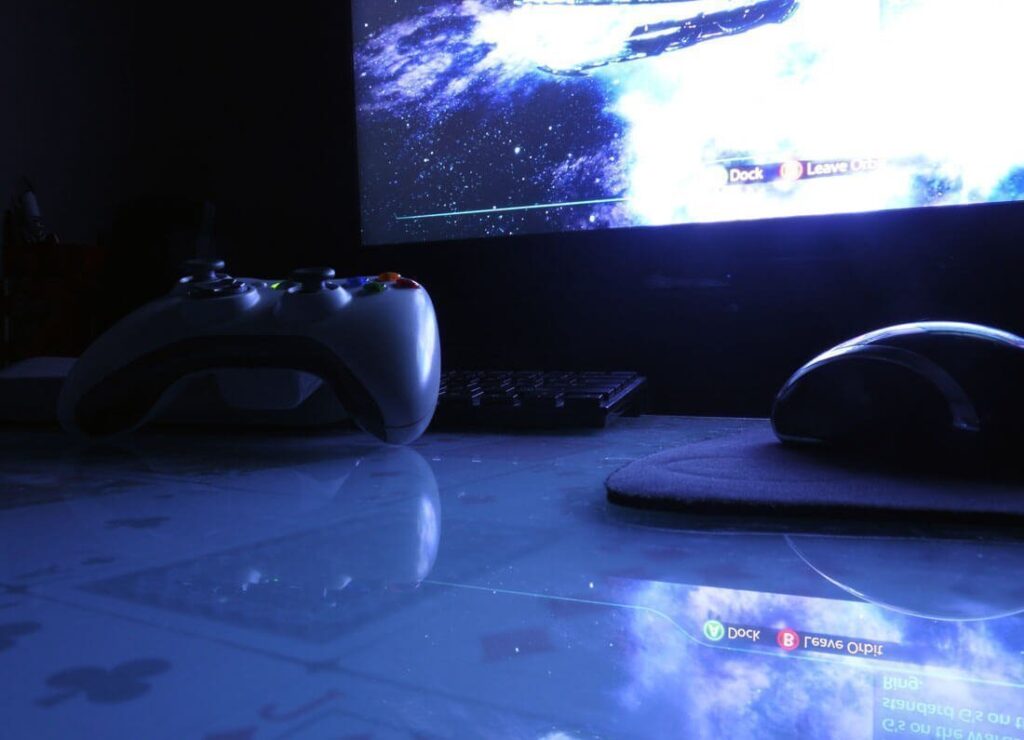
Gaming is often viewed simply as entertainment, but over the years, it has become much more than that. Millions of people around the world play games daily—not just for fun, but also to relax, connect socially, and challenge themselves mentally. An important question frequently discussed today is:
👉 Can gaming actually improve real-life skills?
The answer is yes—when gaming is done responsibly. Research and real-world experiences show that gaming can help develop a wide range of skills, including cognitive abilities, problem-solving, communication, coordination, and even professional skills.
In this article, we will explore how gaming can improve skills, what types of skills are developed, and how gamers can benefit in everyday life.
Understanding Skill Development Through Gaming
Skills are not developed only in classrooms or workplaces. They are also built through activities that require:
-
Focus
-
Practice
-
Decision-making
-
Adaptability
Games naturally involve all these elements. When players engage actively, gaming becomes a form of interactive learning rather than passive entertainment.
1. Improves Problem-Solving Skills
Many games are designed around challenges that require logical thinking.
How Gaming Helps:
-
Players analyze situations quickly
-
They experiment with strategies
-
They learn from failure and try again
Puzzle games, strategy games, and role-playing games train players to think critically and creatively, skills that are useful in academics and professional life.
2. Enhances Hand-Eye Coordination
Action and fast-paced games require precise timing and movement.
Skill Development:
-
Quick reactions
-
Accurate hand movements
-
Better coordination between vision and actions
This skill is useful in daily activities, sports, driving, and even technical professions.
3. Boosts Decision-Making Abilities
Many games require players to make decisions under pressure.
Examples:
-
Choosing the right strategy in limited time
-
Managing resources effectively
-
Adapting to unexpected situations
Gaming teaches players how to assess risks and make decisions quickly, which is valuable in real-life scenarios.
4. Improves Focus and Concentration
Gaming requires sustained attention.
Benefits:
-
Longer attention span
-
Ability to track multiple elements at once
-
Improved mental alertness
Games train the brain to stay focused, especially during complex or competitive gameplay.
5. Develops Strategic Thinking
Strategy-based games encourage long-term planning.
Skills Gained:
-
Planning ahead
-
Understanding consequences
-
Managing limited resources
These skills translate well into business planning, project management, and personal decision-making.
6. Enhances Memory and Cognitive Skills
Many games rely on remembering:
-
Maps
-
Rules
-
Patterns
-
Character abilities
Regular gaming can improve short-term and working memory, helping players process information more efficiently.
7. Encourages Creativity
Games often allow players to:
-
Build worlds
-
Customize characters
-
Design solutions
Creative games encourage imagination and innovation, which are valuable in creative fields like design, writing, and problem-solving.
8. Improves Communication Skills
Online multiplayer games often require teamwork.
Communication Benefits:
-
Clear verbal instructions
-
Listening to teammates
-
Coordinating strategies
Players learn how to communicate effectively, especially under pressure.
9. Builds Teamwork and Collaboration
Team-based games teach players to work together.
Lessons Learned:
-
Cooperation over individual success
-
Understanding team roles
-
Supporting teammates
These are essential skills in workplaces and group environments.
10. Enhances Emotional Control and Patience
Gaming involves both success and failure.
Players learn to:
-
Manage frustration
-
Stay calm under pressure
-
Try again after losing
This helps build emotional resilience and patience.
11. Develops Leadership Skills
Some games naturally encourage leadership.
Leadership Skills:
-
Making decisions for a team
-
Motivating others
-
Taking responsibility
These qualities are valuable in professional and social environments.
12. Improves Multitasking Abilities
Many games require players to manage multiple tasks at once.
Examples:
-
Monitoring health and resources
-
Communicating with teammates
-
Responding to enemies
Gaming improves the brain’s ability to handle multiple inputs efficiently.
13. Encourages Goal Setting and Achievement
Games are built around objectives.
Skill Transfer:
-
Setting short-term and long-term goals
-
Tracking progress
-
Working consistently toward success
This mindset helps in academics, fitness, and career growth.
14. Improves Adaptability and Learning Speed
Games change constantly.
Players must:
-
Learn new mechanics
-
Adjust to updates
-
Adapt strategies
This improves adaptability and the ability to learn quickly—important skills in a fast-changing world.
15. Builds Confidence and Self-Esteem
Achieving goals in games boosts confidence.
✔ Sense of accomplishment
✔ Recognition from peers
✔ Improved self-belief
Confidence gained in gaming can positively influence real-life interactions.
16. Encourages Technological Familiarity
Gaming helps players become comfortable with technology.
Skills include:
-
Understanding digital interfaces
-
Managing software settings
-
Troubleshooting basic issues
This technological awareness is valuable in modern careers.
17. Supports Learning Through Gamification
Gamification is widely used in education.
Gaming principles help with:
-
Motivation
-
Engagement
-
Retention of information
Learning through games makes complex topics easier to understand.
18. Gaming Skills That Transfer to Careers
Many skills developed through gaming apply directly to jobs.
Examples:
-
Problem-solving → IT & engineering
-
Teamwork → corporate environments
-
Strategic thinking → management roles
-
Communication → customer service
Gaming skills are increasingly recognized in professional settings.
19. Importance of Balanced Gaming
While gaming has benefits, balance is essential.
Healthy gaming habits include:
-
Limited daily playtime
-
Breaks and physical activity
-
Prioritizing responsibilities
Skill development happens best with moderation.
20. Myths About Gaming and Skills
❌ Gaming wastes time
❌ Gaming reduces intelligence
❌ Gaming has no real-world value
Reality: Responsible gaming can support skill development, not replace real-life learning.
How to Maximize Skill Development Through Gaming
✔ Choose skill-based games
✔ Play with purpose, not excess
✔ Reflect on strategies and outcomes
✔ Balance gaming with real-world practice
Gaming as a Learning Tool
Gaming is increasingly used in:
-
Education
-
Training simulations
-
Cognitive therapy
It is evolving from pure entertainment into a learning-enhancing activity.
Conclusion
Gaming is much more than just a pastime. When played responsibly, it can help improve a wide range of skills, including problem-solving, communication, strategic thinking, focus, and emotional control. These skills are valuable not only in gaming but also in daily life, education, and professional environments.
The key is balance. Gaming should support personal growth—not replace real-world responsibilities. With the right mindset and moderation, gaming can be both enjoyable and skill-enhancing.
In today’s digital world, gaming is not just play—it’s a modern way to learn, grow, and improve skills.