Introduction
Gaming is one of the most popular forms of entertainment today. Millions of people around the world play games daily—on mobile phones, PCs, and gaming consoles. For some, gaming is a relaxing hobby. For others, it’s a passion or even a profession. But alongside its popularity, an important question often arises:
👉 Is gaming good or bad for mental health?
The answer is not as simple as “good” or “bad.” Gaming can have both positive and negative effects on mental health, depending on how, how much, and why it is played. In this article, we’ll explore gaming’s impact on mental well-being in a balanced, realistic, and evidence-based way.
Understanding Mental Health in the Modern World
Mental health includes:
-
Emotional well-being
-
Stress management
-
Focus and attention
-
Social connection
-
Overall psychological balance
Modern life already comes with stress from work, studies, finances, and social pressure. Gaming interacts with mental health within this broader context.
Positive Effects of Gaming on Mental Health
When played responsibly, gaming can offer several mental health benefits.
1. Stress Relief and Relaxation
Gaming helps many people unwind.
✔ Distracts the mind from daily stress
✔ Offers entertainment and enjoyment
✔ Creates a sense of escape
After a long day, casual gaming can be as relaxing as watching a movie or listening to music.
2. Improved Mood and Emotional Well-Being
Gaming can trigger positive emotions.
Benefits include:
-
Feelings of achievement
-
Happiness from completing goals
-
Enjoyment and fun
These positive emotions can help improve mood, especially during difficult times.
3. Cognitive Skill Development
Certain games improve mental skills.
Gaming can help with:
-
Problem-solving
-
Strategic thinking
-
Memory and attention
-
Hand-eye coordination
Puzzle, strategy, and simulation games can stimulate the brain and keep it active.
4. Social Connection and Belonging
Online games allow players to connect with others.
Social benefits:
-
Teamwork and cooperation
-
Communication skills
-
Friendships and communities
For people who feel isolated, gaming can offer meaningful social interaction.
5. Emotional Coping and Control
Some games help players learn emotional regulation.
Examples:
-
Managing frustration after failure
-
Practicing patience
-
Developing resilience
These skills can translate into real-life situations.
6. Confidence and Self-Esteem Boost
Achieving goals in games can boost confidence.
✔ Progress and rewards create motivation
✔ Mastery of skills increases self-belief
This can be especially helpful for younger players when balanced with real-world activities.
Negative Effects of Gaming on Mental Health
While gaming has benefits, excessive or unhealthy gaming can cause problems.
1. Gaming Addiction and Overuse
One of the biggest concerns is addiction.
Signs of unhealthy gaming:
-
Loss of control over playtime
-
Neglecting responsibilities
-
Irritability when not gaming
-
Gaming replacing daily activities
Excessive gaming can harm mental well-being.
2. Increased Stress and Anxiety
Competitive or intense gaming can sometimes increase stress.
Potential issues:
-
Performance pressure
-
Toxic online behavior
-
Fear of losing or ranking drops
Instead of relaxing, gaming may become mentally exhausting if not managed properly.
3. Sleep Disruption
Gaming late at night can affect sleep.
Problems include:
-
Reduced sleep duration
-
Poor sleep quality
-
Difficulty falling asleep
Lack of sleep directly impacts mental health, mood, and focus.
4. Social Withdrawal
Too much gaming may reduce real-life interaction.
Effects:
-
Less face-to-face communication
-
Avoiding social responsibilities
-
Feeling disconnected from reality
Balance is important to maintain healthy relationships.
5. Exposure to Toxic Behavior
Online gaming communities can sometimes be harmful.
Common issues:
-
Harassment
-
Cyberbullying
-
Negative language
These experiences can negatively impact self-esteem and emotional health.
Gaming and Mental Health in Different Age Groups
Children and Teenagers
-
Can improve learning and skills
-
Risk of addiction if unsupervised
-
Parental guidance is important
Adults
-
Stress relief and entertainment
-
Risk of overuse due to work stress
Older Adults
-
Cognitive stimulation
-
Social engagement
The impact varies depending on age, lifestyle, and responsibilities.
Is Gaming More Harmful Than Other Screen Activities?
Gaming often gets blamed more than other activities.
However:
-
Social media can be equally addictive
-
Binge-watching also affects sleep
-
All screen time needs balance
Gaming itself isn’t uniquely harmful—uncontrolled usage is the real issue.
Healthy Gaming vs Unhealthy Gaming
Healthy Gaming Habits
✔ Limited playtime
✔ Balanced with work, study, exercise
✔ Positive social interaction
✔ Enjoyment without pressure
Unhealthy Gaming Habits
❌ Excessive hours
❌ Ignoring responsibilities
❌ Mood dependence on gaming
❌ Sleep disruption
The difference lies in control and intention.
How to Maintain Healthy Gaming Habits
Practical tips for mental well-being:
-
Set time limits
-
Avoid gaming before sleep
-
Take regular breaks
-
Balance gaming with physical activity
-
Play for enjoyment, not stress
-
Avoid toxic communities
These habits make gaming mentally healthy.
Can Gaming Be Used as Mental Therapy?
In some cases, yes.
Examples:
-
Games used in stress therapy
-
Cognitive training games
-
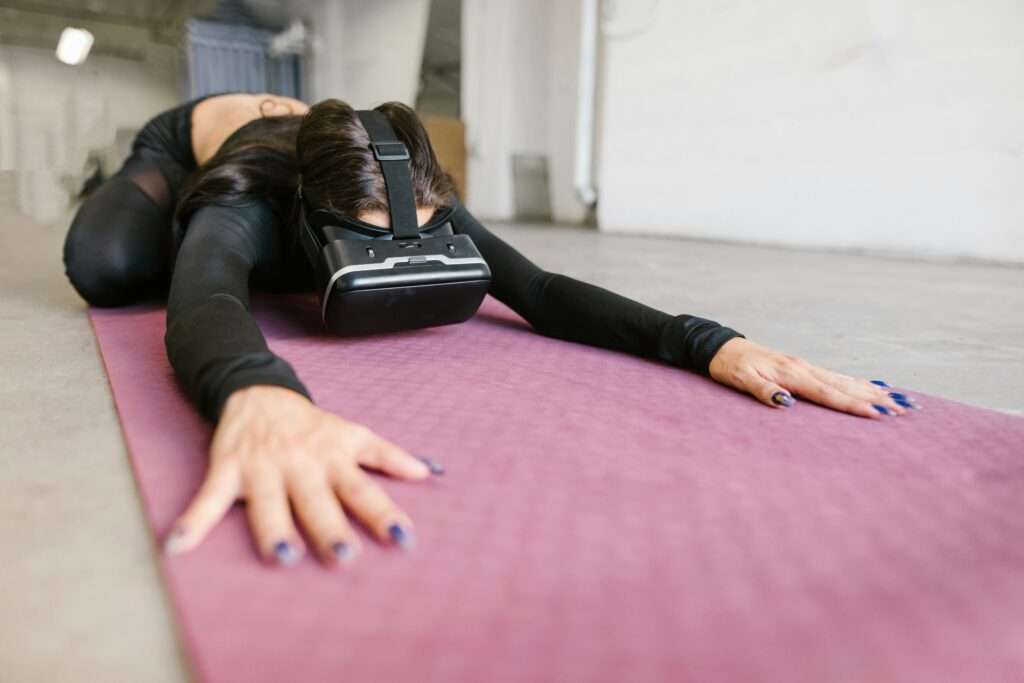
VR-based therapy tools
Gaming is increasingly explored in mental health research as a supportive tool.
Warning Signs Gaming Is Affecting Mental Health
Seek balance if you notice:
-
Constant fatigue
-
Loss of interest in other activities
-
Mood swings
-
Anxiety when not gaming
-
Decline in work or studies
Early awareness prevents long-term issues.
The Role of Parents and Guardians
For young gamers:
-
Set clear gaming rules
-
Encourage offline activities
-
Monitor content and communities
-
Talk openly about gaming habits
Guidance is more effective than strict restrictions.
Future of Gaming and Mental Health Awareness
Gaming companies are increasingly:
-
Adding playtime reminders
-
Promoting digital wellbeing
-
Encouraging positive communities
Mental health awareness in gaming is growing.
So, Is Gaming Good or Bad for Mental Health?
The honest answer is: It depends.
✔ Gaming can be good for mental health when played in moderation
❌ Gaming can be harmful when it becomes excessive or addictive
Gaming is a tool—not the problem itself. How you use it determines its impact.
Conclusion
Gaming is neither purely good nor purely bad for mental health. When used responsibly, it can reduce stress, improve mood, enhance cognitive skills, and provide social connection. However, excessive gaming can lead to addiction, anxiety, sleep problems, and social withdrawal.
The key lies in balance, awareness, and self-control. Gaming should be a part of life—not a replacement for it. With healthy habits, gaming can be an enjoyable and mentally beneficial activity.